
Why Your Food Processing Plant Needs an Industrial Compost Tank in 2026
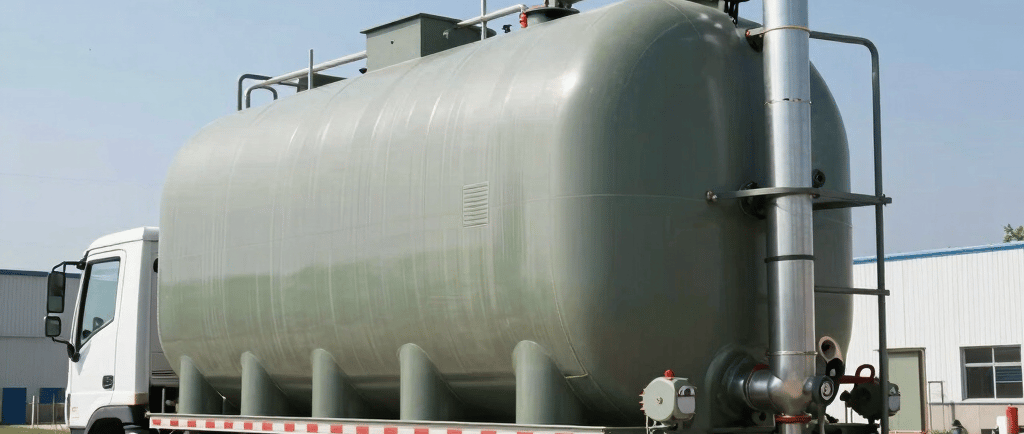
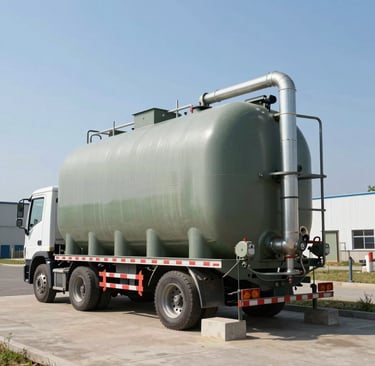
Why Your Food Processing Plant Needs an Industrial Compost Tank in 2026
Food processing plants have always generated large volumes of organic by-products—fruit and vegetable peels, spent grain, trimmings, expired product, and sludge. But in 2026, the rules of the game have changed. With tightening organic waste bans, rising tipping fees, and corporate ESG (Environmental, Social, and Governance) requirements becoming a prerequisite for doing business, simply "hauling it away" is no longer a sustainable or cost-effective strategy.
Forward-thinking processors are turning to Industrial Compost Tanks (In-Vessel Composting Systems)—not just as a waste solution, but as a strategic asset. Here's why your plant needs one this year.
1. 2026 Regulations: Landfill Bans Are Now the Norm
Across North America, Europe, and parts of Asia, organic waste landfill bans are expanding. Jurisdictions are enforcing mandatory diversion targets (e.g., California SB 1383, EU Circular Economy Package), requiring businesses to separate and properly treat organic waste.
Non-compliance in 2026 means:
📉 Steep per-day fines for improper disposal
📋 Mandatory corrective action plans
🚫 Risk to operating permits in environmentally sensitive zones
An on-site Industrial Compost Tank allows you to process waste within your facility boundary, document landfill diversion rates, and meet regulatory requirements for pathogen reduction (PFRP) and odor control—all in one enclosed system.
2. Cut Waste Hauling Costs—Permanently
The hidden cost of traditional waste disposal isn't just the tipping fee—it's the fuel surcharges, frequency of pickups, container rental, and labor to manage smelly dumpsters.
Industrial compost tanks reduce organic waste volume by 70–90% through aerobic decomposition, and some systems produce a stable, dry compost in 7–15 days.
Cost Factor
Traditional Hauling
With Industrial Compost Tank
Tipping / Landfill Fees
High, rising annually
Eliminated or drastically reduced
Transport / Fuel Surcharge
Recurring
None (on-site processing)
Odor & Pest Control
Ongoing expense
Built-in biofiltration & sealed design
Typical Payback Period
N/A
18–36 months
3. Odor Control = Neighbor Relations & Compliance
Food processing waste left in open bins or windrows quickly goes anaerobic, producing hydrogen sulfide (rotten egg smell) and ammonia—triggering neighbor complaints and potential odor violation notices.
Modern in-vessel compost tanks solve this with:
✅ Fully enclosed, airtight vessels – no fugitive odors
✅ Negative-pressure aeration + biofilter – exhaust air is scrubbed before release
✅ Forced oxygen – sustains aerobic microbes, preventing anaerobic (smelly) conditions
This makes it possible to install a system adjacent to production areas or even near property lines—something open composting can never achieve.
4. Turn Waste Into a Value-Added By-Product
In 2026, "waste" is being redefined. The high-temperature aerobic fermentation inside industrial compost tanks (55–70°C / 131–158°F) destroys pathogens and weed seeds, producing a stable, mature compost rich in organic matter.
Your plant can:
Use it for on-site landscaping or truck-washing pad decontamination areas
Supply it to local farms or landscapers (with proper labeling)
Include diversion & upcycling metrics in your annual ESG / sustainability report
It's a tangible example of circular economy in action—exactly what major retailers and B2B customers now ask their suppliers to demonstrate.
5. Compact Footprint & Automation—Built for Plants
Unlike open windrow composting that demands acres of land and frequent turning, vertical or tunnel-type industrial compost tanks:
Fit into existing plant footprints (often <20% of windrow space)
Run on PLC/automated controls with real-time temp, moisture & O₂ monitoring
Require minimal labor—typically one operator can manage multiple units
Data logging also gives you defensible records for audits and third-party certifications (ISO 14001, B Corp, etc.).
Is Your Plant a Candidate?
You're a strong candidate for an Industrial Compost Tank if you:
Generate 500 kg–10+ tons of organic waste per day
Face rising waste hauling costs or organics ban compliance pressure
Have received odor complaints or have limited dumpster space
Want to strengthen ESG credentials and pursue zero-waste-to-landfill goals
Typical feedstocks: fruit/vegetable pomace, bakery waste, spent brewing grain, frozen food rejects, nut shells, and compatible pre-treated sludge.
Make 2026 the Year You Close the Loop
An Industrial Compost Tank isn't just a piece of equipment—it's protection against rising disposal costs, a compliance safeguard, and a visible commitment to sustainable manufacturing.
Ready to see what system fits your waste stream?
👉 [Download Our Industrial Compost Tank Specification Brochure]
or [Request a Free Waste Audit & Capacity Recommendation] — our engineers will size the right solution for your plant.