
Tired of Organic Waste Fines? How Industrial Compost Tanks Ensure EPA Compliance
Tired of Organic Waste Fines? How Industrial Compost Tanks Ensure EPA Compliance
Is your food processing plant, brewery, or agricultural operation struggling with rising tipping fees and the threat of environmental penalties? Across the U.S. and internationally, environmental agencies—including the EPA—are tightening regulations on organic waste disposal, landfill diversion, and odor emissions. For many facility managers, a single violation notice for improper organic waste handling can mean thousands of dollars in fines, not to mention reputational damage.
The good news? Industrial Compost Tanks (In-Vessel Composting Systems) offer a proven, closed-loop solution that keeps your operation compliant, cuts disposal costs, and turns organic waste into a marketable resource.
The Growing Risk of Organic Waste Non-Compliance
Sending food scraps, manure, or organic sludge to landfill is increasingly restricted under state and federal guidelines. Regulations such as EPA biosolids standards and state-level organics diversion mandates (e.g., California's SB 1383) require businesses to:
Divert a minimum percentage of organic waste from landfills
Prevent leachate runoff and groundwater contamination
Control odor and airborne emissions from on-site waste handling
Properly treat waste to eliminate pathogens (PFRP – Process to Further Reduce Pathogens)
Failure to meet these requirements can trigger:
❌ Heavy administrative fines per violation/day
❌ Mandatory corrective action orders
❌ Community complaints and permit revocations
What Is an Industrial Compost Tank?
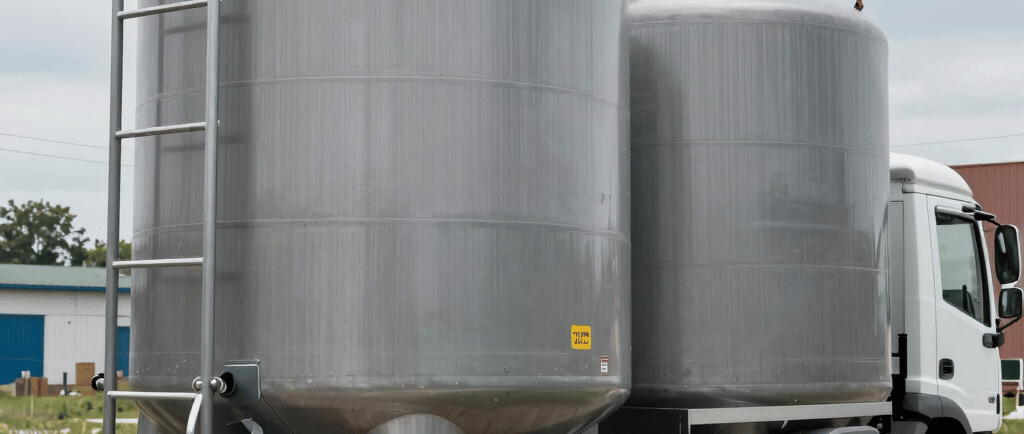
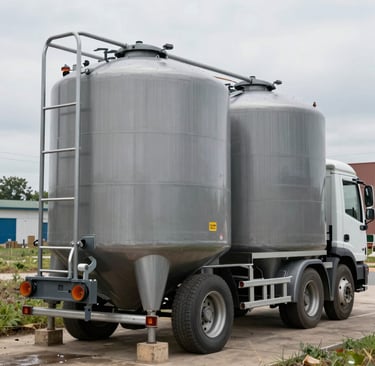
An Industrial Compost Tank (also called an in-vessel composting systemor aerobic fermentation tank) is a fully enclosed, mechanically aerated reactor that accelerates the aerobic decomposition of organic waste under precisely controlled temperature, moisture, and oxygen levels.
Unlike traditional open windrow composting, these tanks:
Process waste in 7–15 days vs. 60–90 days outdoors
Operate year-round regardless of weather
Eliminate exposed piles that attract pests or generate odors
Automatically record process data for compliance documentation
How Industrial Compost Tanks Help You Stay EPA-Compliant
✅ 1. Enclosed Design Prevents Leachate & Runoff Violations
The tank's sealed structure captures condensate and prevents rainwater infiltration—eliminating the risk of uncontrolled leachate discharging into storm drains, a common EPA and local environmental violation.
✅ 2. Integrated Odor Control Meets Air Quality Standards
Equipped with biofilters, exhaust scrubbers, or activated carbon systems, industrial compost tanks remove up to 90%+ of ammonia (NH₃) and hydrogen sulfide (H₂S) before air is released—keeping you within permissible odor emission limits and avoiding neighbor complaints.
✅ 3. High-Temperature Aerobic Process Destroys Pathogens
Sustained temperatures of 55–70°C (131–158°F) for the required retention time achieve PFRP standards, killing weed seeds, pathogens (E. coli, Salmonella), and fly larvae—meeting Class A or Class B compost criteria depending on configuration.
✅ 4. Documented Process Data for Audits
Modern PLC-controlled tanks log temperature, aeration rate, runtime, and cycle completion—giving you defensible records during environmental inspections or third-party audits.
✅ 5. Organic Waste Diversion = Regulatory Credit
By processing waste on-site, you demonstrate measurable landfill diversion rates, supporting compliance with organics ban laws and strengthening ESG / sustainability reporting.
Beyond Compliance: Added Business Value
Installing an industrial compost tank doesn't just protect you from fines—it delivers ROI:
Benefit
Impact
Reduce hauling & tipping fees
Cut waste transport costs by 40–70%
Generate organic fertilizer
Sell or use on-site for landscaping/agriculture
Smaller footprint
Vertical tanks use <20% of windrow space
Lower labor
One-touch automated PLC operation
Enhance ESG profile
Demonstrate circular economy leadership
Is Your Facility a Good Candidate?
Industrial compost tanks are ideal for:
🏭 Food & beverage processing plants
🐄 Large-scale livestock / poultry farms
🏬 Institutional campuses (universities, hospitals)
🏢 Municipal organic waste transfer stations
If you generate 1+ ton of organic waste per day and face scrutiny over waste handling or odors, an in-vessel system is typically the most compliant and cost-effective path forward.
Take Control of Your Waste—and Your Compliance
Don't wait for a citation to act. An industrial compost tank lets you proactively meet EPA and local environmental standards while reducing operating expenses and creating value from waste.
👉 [Download our Industrial Compost Tank Specification Sheet]